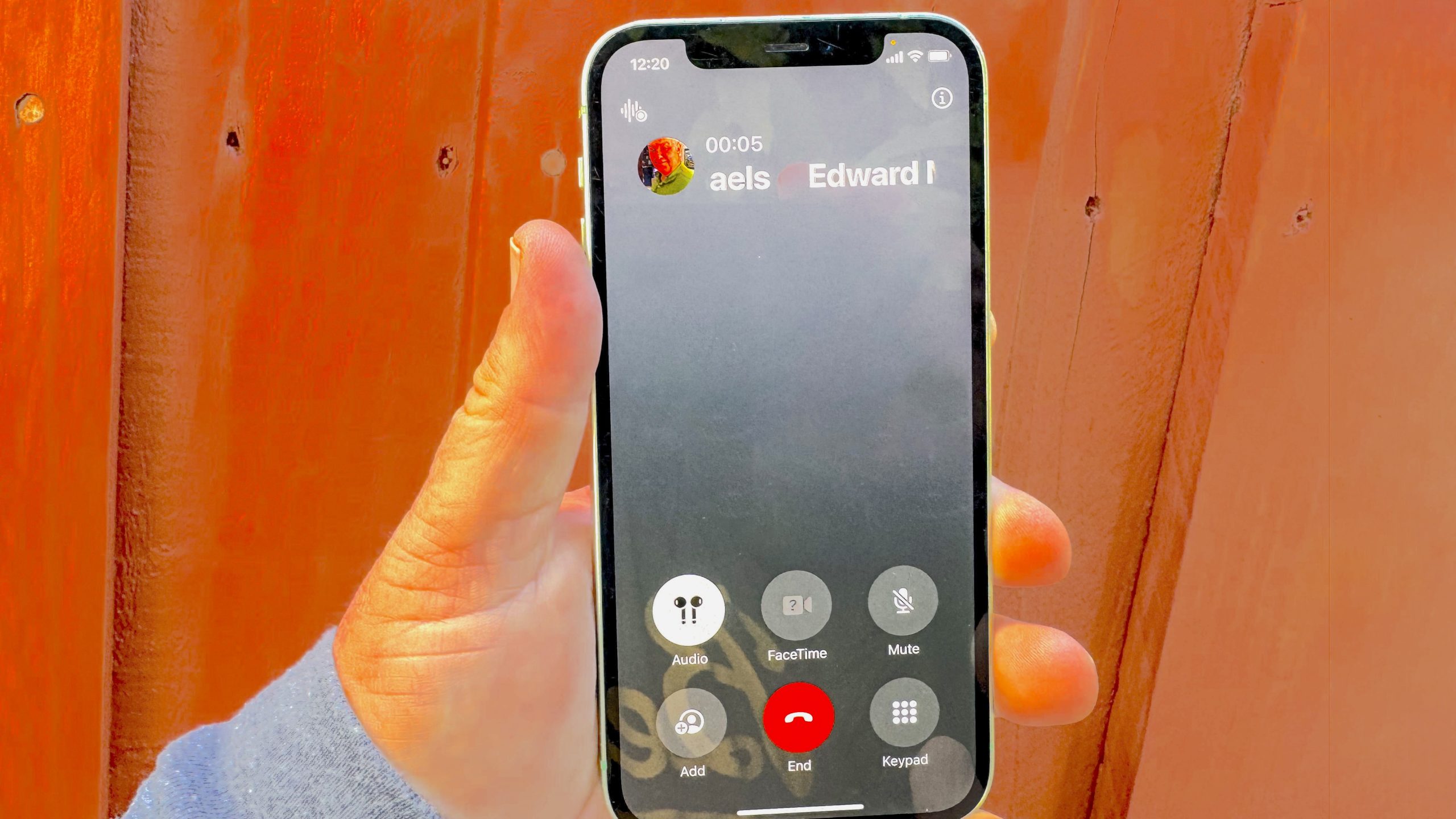

Call forwarding is one of the most useful features built into modern smartphones. Whether your phone is damaged, out of battery, unreachable, or simply not with you, forwarding calls ensures you never miss important conversations. Many people use call forwarding when traveling, working remotely, or switching between personal and work numbers.
This fully rewritten guide explains how to forward calls on iPhone, Android, and through carrier codes, along with how to turn call forwarding off when you no longer need it. Everything is rewritten from scratch, parent‑safe, and formatted cleanly for WordPress.
What Is Call Forwarding?
Call forwarding allows you to redirect incoming calls from your phone number to another number. Depending on your device and carrier, you can forward calls:
- All the time
- Only when your phone is busy
- When you don’t answer
- When your phone is unreachable
This feature is built into both Android and iPhone devices and supported by most major carriers.
How to Forward Calls on iPhone
iPhones include a simple call forwarding option in the Phone settings. Before you begin, make sure your device has an active cellular connection — call forwarding may not work without it.
Step‑by‑Step Instructions
Step 1: Open Settings
Go to Settings on your iPhone and scroll down to Phone.
Step 2: Select Call Forwarding
Tap Call Forwarding. If the option does not appear, your carrier may not support call forwarding.
Step 3: Turn On Call Forwarding
Toggle the Call Forwarding switch.
Step 4: Enter the Forwarding Number
Tap Forward To, then enter the phone number where you want calls to be redirected.
Once activated, all incoming calls will automatically go to the number you entered.
Custom Call Forwarding on iPhone
Some carriers allow conditional forwarding options such as:
- Busy
- No Answer
- Unreachable
If your carrier supports these, you may see a Custom option. Select the condition you want and enter the forwarding number.
How to Forward Calls on Android
Most Android devices follow a similar process, though menu names may vary slightly depending on the manufacturer.
Step‑by‑Step Instructions
Step 1: Open the Phone App
Tap the Phone app on your device.
Step 2: Open the Menu
Tap the three‑dot menu in the top‑right corner.
Step 3: Go to Settings
Select Settings. Depending on your device, you may need to tap Call Settings or Supplementary Services.
Step 4: Select Call Forwarding
Tap Call Forwarding.
Step 5: Choose Voice or Video Calls
Select whether you want to forward Voice calls or Video calls.
Step 6: Choose a Forwarding Condition
You will see several options:
- Always forward – Redirect all calls
- Forward when busy – When you’re on another call
- Forward when unanswered – When you don’t pick up
- Forward when unreachable – When your phone is off or out of signal
Step 7: Enter the Forwarding Number
Type the number you want calls forwarded to.
Step 8: Turn On Call Forwarding
Tap Turn On or Enable.

How to Forward Calls Using Carrier Codes
If your phone does not show call forwarding options, or if you prefer a faster method, you can activate call forwarding using carrier codes. These codes vary by provider.
Below are the most common call forwarding codes for major U.S. carriers.
AT&T Call Forwarding Codes
| Condition | Code |
|---|---|
| All calls | *72 + number |
| When busy | *90 + number |
| When unanswered | *92 + number |
| When unreachable | *372 + number |
Verizon Call Forwarding Codes
| Condition | Code |
|---|---|
| All calls | *72 + number |
| When unanswered | *71 + number |
T‑Mobile Call Forwarding Codes
| Condition | Code |
|---|---|
| All calls | *21number# |
| When busy | *67number# |
| When unanswered | *61number# |
| When unreachable | *62number# |
How to Use Carrier Codes
- Open the Phone app
- Enter the appropriate code
- Add the forwarding number
- Tap Call to activate
Your carrier will confirm the activation.
How to Turn Off Call Forwarding
When you no longer need call forwarding, you can disable it easily.
Turn Off Call Forwarding on iPhone
- Go to Settings
- Tap Phone
- Select Call Forwarding
- Toggle it off
Turn Off Call Forwarding on Android
- Open Phone
- Tap the three dots
- Go to Settings
- Select Supplementary Services or Call Settings
- Tap Call Forwarding
- Choose the active forwarding option
- Turn it off
Turn Off Call Forwarding Using Carrier Codes
| Carrier | Code |
|---|---|
| AT&T | #72 |
| Verizon | *73 |
| T‑Mobile | ##21# |
Dial the code and press Call.

How to Receive Your Child’s Calls Without Forwarding
Some parents want to stay aware of their child’s incoming calls without enabling call forwarding. Instead of forwarding calls, you can use built‑in parental control tools available on Google Play or the App Store.
Below are two app‑store‑approved options.
1. Google Family Link (Android)
Google Play: https://play.google.com/store/apps/details?id=com.google.android.apps.kids.familylink
Family Link allows parents to monitor app activity and device usage. While it does not forward calls, it helps parents understand how the device is being used.
2. Apple Screen Time (iPhone)
Built into iOS — no download required.
Screen Time allows parents to manage communication limits and view activity reports. It does not forward calls but helps parents manage how the device is used.
Call Forwarding Conditions Explained
Understanding the different forwarding conditions helps you choose the right option.
Always Forward
Redirects all incoming calls to another number.
Forward When Busy
Useful when you’re on another call.
Forward When Unanswered
If you don’t pick up, the call goes to the forwarding number.
Forward When Unreachable
Activates when your phone is:
- Turned off
- Out of signal
- In airplane mode
Common Reasons to Use Call Forwarding
People use call forwarding for many situations:
- Switching between work and personal phones
- Traveling internationally
- Using a temporary phone
- Working remotely
- Avoiding missed calls during repairs
- Sharing calls with colleagues
Call forwarding ensures you remain reachable even when your primary device is unavailable.
Conclusion
Call forwarding is a simple but powerful feature that helps you stay connected no matter where you are or what device you’re using. Whether you’re using an iPhone, Android, or carrier codes, forwarding calls takes only a few steps.
You can forward all calls, forward only when busy, or forward when unreachable — depending on your needs. And when you’re done, turning off call forwarding is just as easy.
This guide covered everything you need to know to set up, manage, and disable call forwarding across different devices and carriers.
FAQs About Call Forwarding
1. What does “call forwarded unconditionally” mean?
It means all incoming calls are forwarded regardless of conditions.
2. Can I forward text messages the same way?
No. Call forwarding only redirects calls. SMS forwarding requires separate tools.
3. Why does it say “call forwarded” when I call someone?
It means the person you’re calling has activated call forwarding.
4. Does call forwarding cost money?
Some carriers may charge for forwarded calls. Check your plan for details.
5. Can I forward calls to international numbers?
This depends on your carrier’s policies.